
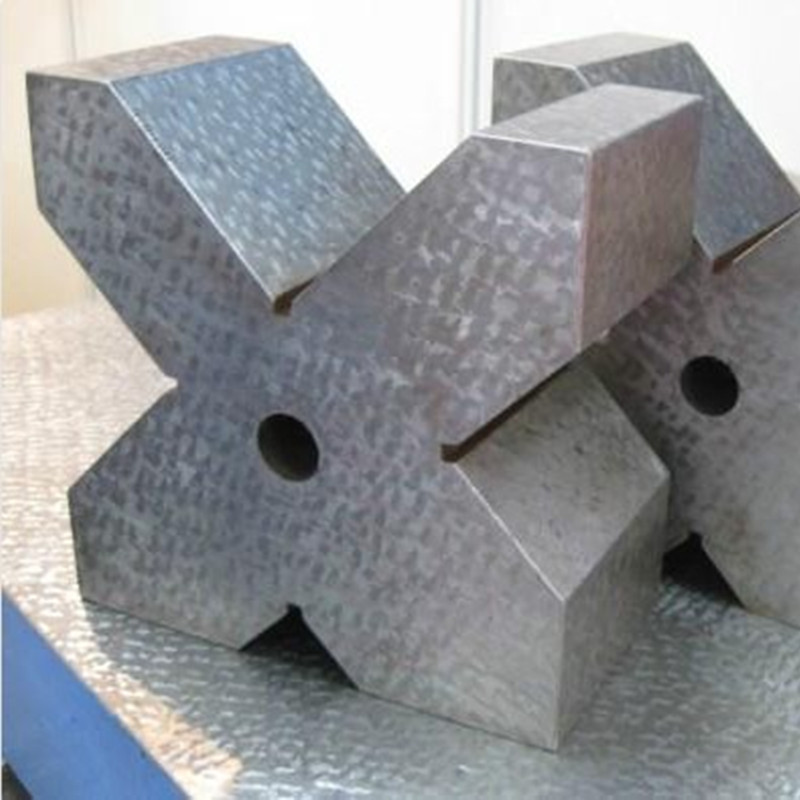
what is the purpose of low e glass
Understanding Frame Levels A Comprehensive Overview In the realm of photography, videography, and design, the concept of frame levels plays a pivotal role in how we perceive and compose visual narratives. Frame levels refer to the various heights or angles at which a camera or a design element is positioned to capture or present a subject. This article seeks to explore the significance of frame levels, their impact on storytelling, and tips for effectively utilizing them in your work. The Importance of Frame Levels Frame levels are crucial in determining how a viewer interprets an image or a scene. Different frame levels can elicit varied emotional responses and can guide the viewer's eye in specific ways. For instance, shooting from a low angle tends to empower the subject, making them appear larger and more dominant. Conversely, a high angle can create a sense of vulnerability or insignificance, as the subject is seen from above. This manipulation of perspective is not just a technique; it’s a form of visual storytelling that can dramatically affect the narrative being conveyed. A photographer or filmmaker must carefully consider the frame level choices they make to ensure they align with the intended message or emotion. The Mechanics of Frame Levels Frame levels can be categorized primarily into three basic angles low, eye-level, and high . 1. Low Angle This approach involves positioning the camera below the subject. It generally creates a sense of scale and can elevate the subject’s impact. For example, in a film, a hero might be captured from a low angle during a triumphant moment, which visually reinforces their strength and authority. 2. Eye Level The most neutral frame level, typically representing how we view the world. This angle fosters a sense of equality between the viewer and the subject. It's often employed in documentaries and interviews as it facilitates a direct connection between the audience and the subject, conveying authenticity and relatability. frame levels 3. High Angle Shooting from above can diminish the subject’s presence, making them appear smaller or more vulnerable. This technique is often used in scenes that intend to evoke sympathy or may suggest a lack of power. Practical Tips for Implementing Frame Levels To effectively utilize frame levels in your work, consider the following strategies - Think about your subject Always have a clear understanding of the characteristics and emotions you want to convey about your subject. Choose a frame level that aligns with this narrative. - Experiment with angles Don’t be afraid to move around and explore various angles. Each change in frame level can reveal different nuances of your subject, contributing to a richer storytelling experience. - Pay attention to the surroundings The environment can also influence the impact of different frame levels. A cluttered background may detract from the subject, while a clean backdrop can enhance focus. - Review and Analyze After shooting, review your footage or images critically. Compare various frame levels and how they affect the visual narrative. This practice will help refine your skills and develop a more instinctual use of angles in future projects. Conclusion Frame levels are an essential tool in the arsenal of any visual storyteller, be it photographers, filmmakers, or designers. By understanding and effectively applying different frame levels, creators can significantly enhance their work, guiding the audience’s perception and emotional response. Whether you’re capturing a fleeting moment or crafting a carefully staged scene, the angles you choose can profoundly impact how your story is received. Embrace the power of frame levels, and let them elevate your visual storytelling to new heights.
about
what is the purpose of low e glass
Understanding the Price Range for 150 to 300 Micrometer Products In various industrial applications, the size of particles or materials plays a crucial role in determining their effectiveness and usability. Specifically, products ranging from 150 to 300 micrometers are integral in industries like pharmaceuticals, cosmetics, food processing, and construction. These particles can influence product performance, texture, and absorption rates, hence the pricing for these materials can vary widely. In this article, we will explore the factors affecting the price bracket for products within the 150 to 300 micrometer range, and the implications for businesses and consumers. Market Overview The global market for materials within the 150 to 300 micrometer size range is extensive. These materials are utilized in various forms, including powders, granules, and emulsions, prominently featured in coatings, inks, and food additives. The price for these products can range from a few dollars to several hundred dollars per kilogram, depending on the type of material, production methods, and application needs. Factors Affecting Pricing 1. Material Composition The type of raw materials significantly impacts pricing. Natural materials, like certain clays or minerals, might be cheaper compared to synthetic polymers or specialty chemicals that require advanced manufacturing techniques. For instance, nano-coatings derived from sophisticated chemical processes may fall at the higher end of the price spectrum due to their enhanced characteristics and functionalities. 2. Production Methods The technique used to produce the micrometer-sized particles can also dictate their cost. Traditional milling or grinding processes tend to be less expensive than high-tech alternatives such as laser ablation or high-energy ball milling. The energy requirements, machinery involved, and labor costs play crucial roles here. Therefore, manufacturers often invest in more efficient production methods to lower costs long-term, but initial investment can lead to higher prices initially. 150 to 300 micrometer price 3. Purity and Quality Control High-purity materials often demand higher prices. Industries like pharmaceuticals require raw materials that meet stringent regulatory standards. Consequently, the costs associated with quality control, testing, and compliance contribute to the final pricing. Companies focusing on high-purity products may need to charge a premium, reflecting the investment in quality assurance. 4. Supply and Demand Dynamics Like any commodity, the price of micrometer-sized materials is also influenced by market demand and supply. Increased demand in a rapidly growing sector, such as nanotechnology or sustainable materials, can drive prices higher, especially if production capacities are limited. Conversely, a surplus of raw materials or a drop in demand can lead to reduced prices. 5. Geopolitical and Economic Factors Global events, trade tariffs, and changes in regulations can affect material costs. For example, a trade dispute could lead to increased tariffs on raw materials imported from certain countries, raising prices domestically. Conclusion The pricing for products in the 150 to 300 micrometer range is a complex interplay of material types, production methodologies, purity levels, market dynamics, and broader economic factors. Businesses looking to navigate this market must carefully evaluate their needs and consider the implications of pricing on their supply chain and product development. Understanding these variables can empower businesses to make informed choices, whether they are sourcing cheap raw materials for bulk production or investing in high-purity compounds for specialized applications. As demand continues to grow across sectors, interest in micrometer-sized products is likely to expand. Stakeholders in this market should stay informed about pricing trends and production innovations to maintain a competitive edge and maximize their investment returns. This understanding will not only help in making strategic purchasing decisions but also in anticipating future market shifts and tailoring product offerings to meet evolving consumer needs.
-

High quality industrial productsagement

High quality industrial products
View Details -

Meet the diverse needs of customers

Meet the diverse needs of customers
View Details -

Strict quality control

Strict quality control
View Details -

Top raw materials

Top raw materials
View Details -

Trusted supplier

Trusted supplier
View Details
Our application
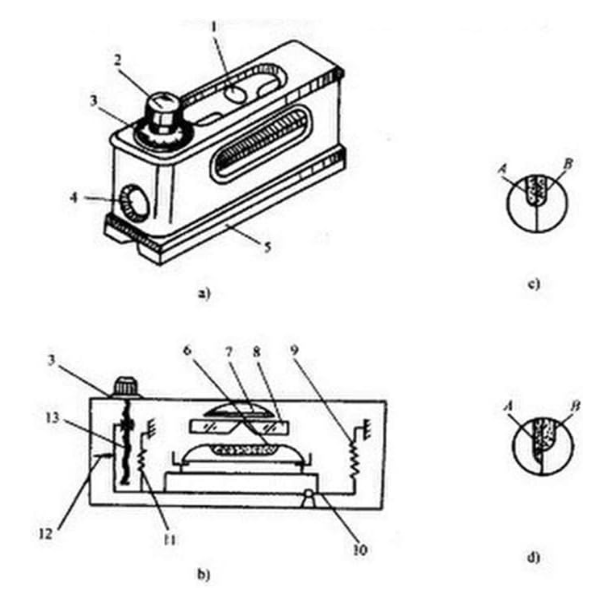
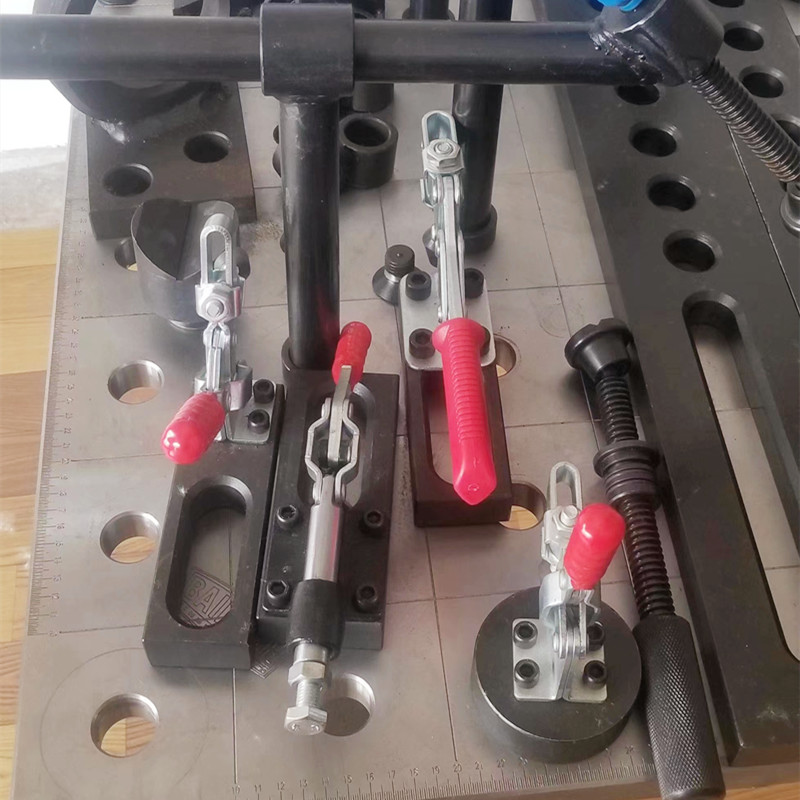
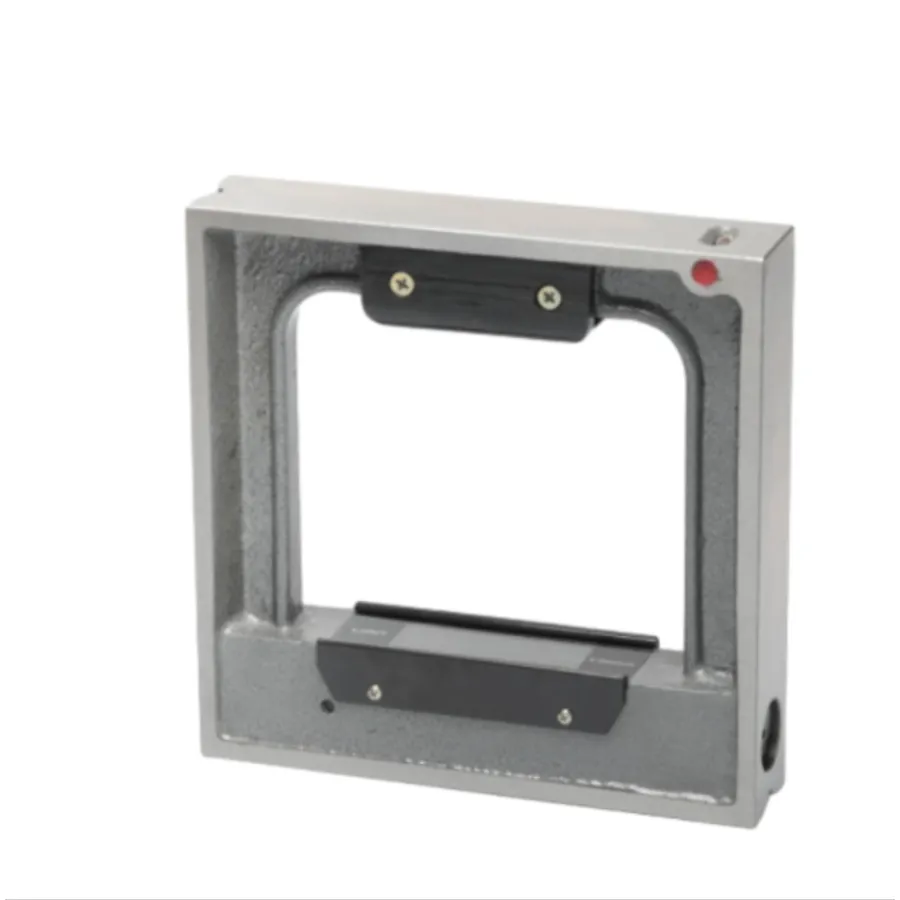
news and information

Y Type Strainer Valve for Efficient Fluid Filtration and Flow Control
Understanding Y-Type Strainer Valves Importance and Applications In various industrial and commercia

Water Flow Control Device for Efficient Shut-Off and Regulation
Understanding Water Shut-off Valves A Comprehensive Guide Water shut-off valves are essential compon

valve supplier
Choosing the right valve supplier is a critical decision for manufacturers and industries worldwide.
 English